

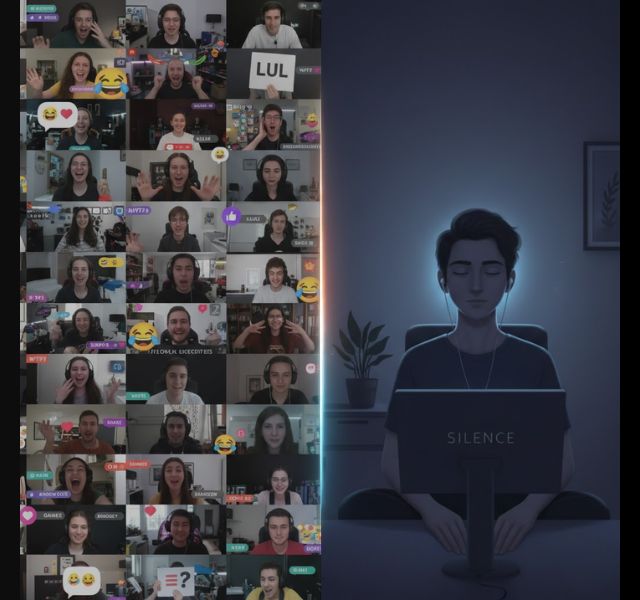
Silent streaming is a strange space in live content right now. The idea is simple. Turn on the stream. Show gameplay. No webcam. No mic. No forced personality. No pressure.
If you are new to streaming, this approach feels comforting. It removes stage fright and social anxiety. It lets people experiment without feeling like performers. The question is whether platforms and viewers actually accept it.
A recent discussion on Reddit showed how divided the community actually is. Some users appreciated the low pressure format. Others argued that silent streaming is almost pointless. Underneath the arguments is a real question for beginner creators: can silent streaming work, and if so, where?
What Silent Streamers Want and Why
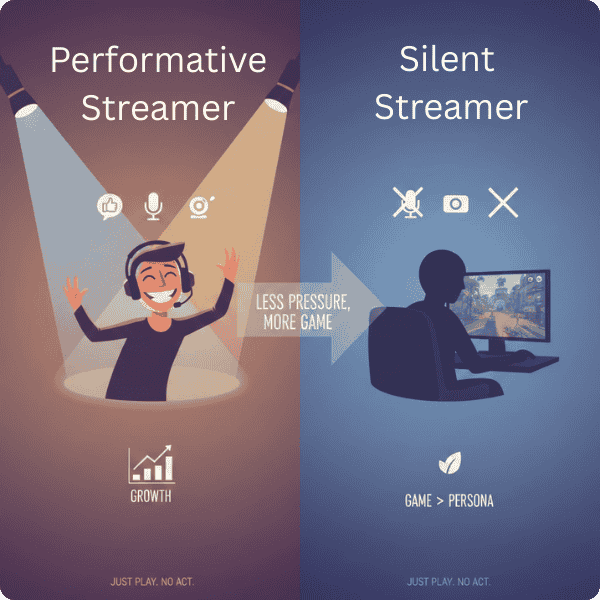
The original poster captured a mindset a lot of beginner creators have but rarely say out loud. They want to stream without being watched as a character. They dislike voice, webcam and constant performance. They want to share gameplay without entertaining strangers. They prefer calm over high energy and social obligation.
Underneath those preferences is a simple reason. Streaming has become performative. The modern streamer is expected to be funny, high energy, reactive and social. Viewers reward charisma as much as gameplay. Growth depends on constant engagement. For many beginners, that expectation feels exhausting right from the start.
Silent streaming flips the equation. Instead of performing for an audience, the creator is simply present. The game becomes the content, not the persona. For introverts or anxious beginners, this is the only way streaming feels doable at all. They like gaming, not acting.
There is also a psychological layer that is easy to miss. Talking to nobody on stream feels awkward. Talking to one viewer feels even more awkward. Talking without knowing how to entertain feels stressful. Removing the mic eliminates that pressure entirely.
Finally, silent streaming lets people experiment without commitment. No identity, no parasocial layer, no awkward self-introduction. Just gameplay and whoever chooses to watch.
Silent streams struggle partly because of how discovery functions on Twitch. If you want to know how that system works, here is How Twitch’s Algorithm Actually Works.
What Viewers Expect From Streams
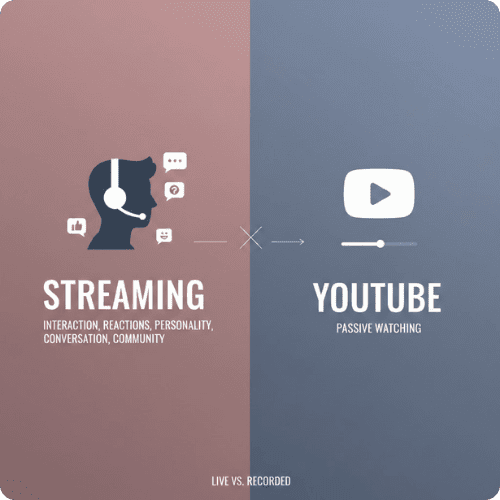
Live streams are social experiences. Viewers are not just watching the game on the screen. They are watching the person who is playing it and they want to feel connected to them in real time. Many viewers enjoy asking questions in chat, hearing the streamer’s thoughts, and reacting together to whatever is happening in the game. That sense of participation is what makes live streaming different from simply watching a recorded video.
Most viewers expect at least one of these:
- interaction
- reactions
- personality
- conversation
- a sense of community
Without those, viewers often lose interest fast. If nothing is being said and nothing is being reacted to, they have no reason to stay. Gameplay alone can keep a few viewers, but only if they really care about that specific game.
That is why people in the Reddit discussion kept saying the same thing. If there is no talking and no interaction, YouTube is a better fit because YouTube is meant for silent or passive watching. Streaming is meant for participation.
For anyone deciding between the two platforms, this guide may help: Kick vs. Twitch: Which Platform Is Best for New Streamers?
Kick vs Twitch: Which Platform Is Friendlier to Silent Streams?
Silent streams do not have an obvious home yet. People do them on both Kick and Twitch, but neither platform is built specifically for this style. If we compare the two, Kick seems slightly more open to new or unusual streaming ideas. It is a newer platform, so the community feels less strict about how a stream “should” look. Many small streamers are experimenting and trying different formats, so a silent stream fits in without drawing too much attention.
Twitch has been around for a long time, and viewers there are used to a certain style of stream. They expect the streamer to talk, react, and build a community over time. Silent streams do not break any rules on Twitch, but they do not match what most people are used to watching.
Even on Kick, silent streams rarely grow fast. People in the Reddit discussion mentioned seeing silent streams with only one to five viewers. This is not because Kick hates silent streamers. It is simply because most viewers watch live content for interaction, not just gameplay. When there is nothing to interact with, many viewers leave quickly.
Who Watches Silent Streams?
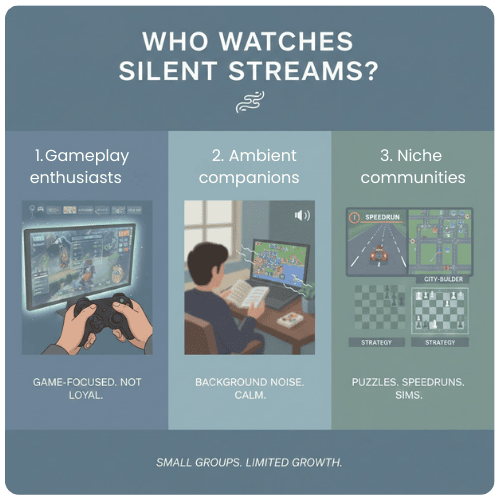
Silent streams do have viewers, but they tend to fall into very specific groups. Below are the groups they might fall into.
1. People who love the game that is being played
Some viewers only care about the gameplay itself. They are curious about how someone plays a certain level, mission or challenge. They are there for the game, not the streamer. These viewers do not usually stay loyal for long, because once the game changes they often leave.
2. People who want background content
Some viewers keep a stream open for company while they do other things. For them, a silent stream can feel calm and easy to listen to. It works the same way as background music, study playlists or ambient videos.
3. Small niche groups
There are certain types of games that do not require talking to make them interesting. Examples include speedruns, puzzle games, city builders, simulation games and strategy titles. These communities care more about the gameplay itself, so a silent stream does not feel strange to them.
Even though these groups exist, they are small and not easy to grow from. Viewers who watch silently do not usually become fans, active chatters or long term community members. Growth typically comes from personality and interaction, and silent streams do not offer much of either.
What Silent Streaming Is Good For
Silent streaming can actually be a useful starting point for beginners. It lets people learn how streaming works without the pressure of talking or performing. It helps with things like setting up the streaming software, arranging the screen layout, testing alerts, and understanding how chat works. Most importantly, it makes the act of pressing “Go Live” less intimidating.
Some people in the Reddit discussion said they started with silent streams and then added a microphone later, once they felt more comfortable. After that, they added a webcam when they were ready. For beginners who feel nervous or shy, this step by step approach makes a lot of sense.
Silent streams make growth harder, so if your goal is to build an audience, here are 10 Ways to Immediately Increase Your Twitch Followers.
Why Silent Streaming Struggles
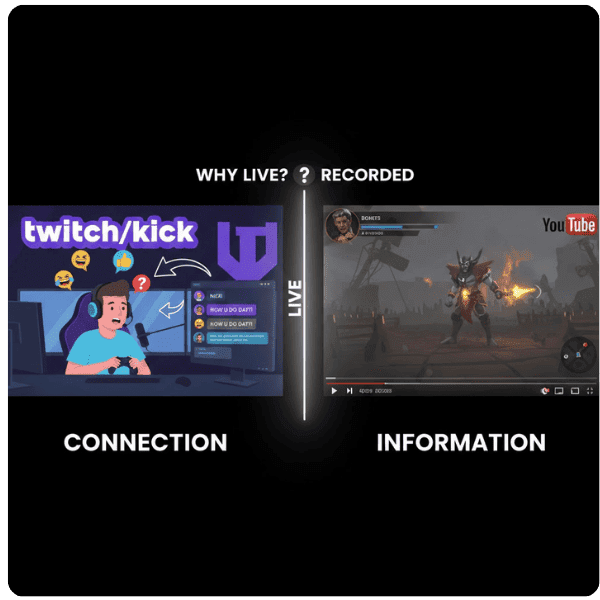
Silent streams face a challenge that is easy to miss. Live streaming is not like television or a movie. It is built around interaction. Viewers expect the streamer to respond, react, and talk to them in real time. When there is no interaction, the main reason people watch live content disappears.
This is why people in the Reddit thread kept comparing silent streams to YouTube videos. YouTube is made for passive watching. For example, you can watch a walkthrough of a game, a cooking video, or a documentary without saying a word. There is no chat and no expectation of interaction. You press play, and that is enough.
Twitch and Kick work differently. Imagine a friend is playing a game in front of you and you are sitting next to them. You can ask questions, joke about what is happening, and react together. That back and forth is what makes it fun. That is also what makes live streams feel “alive” instead of prerecorded.
When a silent stream removes the talking part and the reacting part, the viewer naturally wonders, “Why am I watching this live instead of just watching a recorded video later?”
Here are a few simple scenarios to show the difference:
- YouTube style: You watch someone beat a boss fight with no commentary. You do not need to interact. You just want to see how they did it.
- Streaming style: You watch a streamer fight the same boss fight while reacting to chat. People ask questions, give tips, make jokes, or celebrate when they finally win.
In the first example, the viewer watches for information. In the second example, the viewer watches for connection. Silent streams offer the first experience in a space that is mostly built for the second.
This mismatch explains why silent streams often struggle to hold viewers or build a community. The format does not match what most people expect from a live platform.
So Will Kick Accept Silent Streamers?
Accept is the right word. Support is not. Kick does not punish silent streamers but it does not reward them either. Twitch is the same. Neither platform is hostile. Neither platform gives this format oxygen either.
Silent streaming can work if the creator understands the below mentioned limitations:
- Growth will be slow.
- Most viewers will not stay.
- Viewers are there for the game, not the person.
- Community building is difficult.
- Scaling beyond a niche is unlikely.
That does not make silent streaming a waste of time. It simply means beginners should be realistic about what silent streaming can and cannot do. Silent streams can help someone learn the basics and get comfortable going live. They can create a calm space to play games and share the moment with a few viewers. What they usually cannot do is grow fast, build a big community, or turn streaming into income. When people understand that from the start, they are less likely to feel disappointed or confused later.
If Silence Feels Safer, That Is Okay
If we strip away all the arguments and opinions, silent streaming is not really about platforms or strategy. It is about comfort. For beginners who feel shy or anxious, silent streams can feel like a safe space to test the waters without having to perform. For people who just want company while they play, it can feel nice to press “Go Live” and share the moment with whoever drops in.
Kick seems slightly more open to this kind of experimenting, simply because the community is newer and less rigid. Twitch has stronger norms and expectations, but it does not reject silent streams either. Both platforms allow it, even if neither is designed around it.
Silent streaming works best when the goal is personal, not professional. It can help someone learn how streaming works. It can work as a stepping stone before talking on mic. It can serve as quiet background content for viewers who enjoy that atmosphere. It can also become a small niche for games that do not need commentary to stay interesting.
Where it struggles is growth. If someone dreams of building a big audience, forming a community, or making money from streaming, silence makes that journey much harder. The truth is simple. Live platforms reward interaction.
But if someone just wants a calm space to play without pretending to be a character, silent streaming is completely valid. There is nothing wrong with choosing the style that feels comfortable to you, even if it is not the most popular path.
